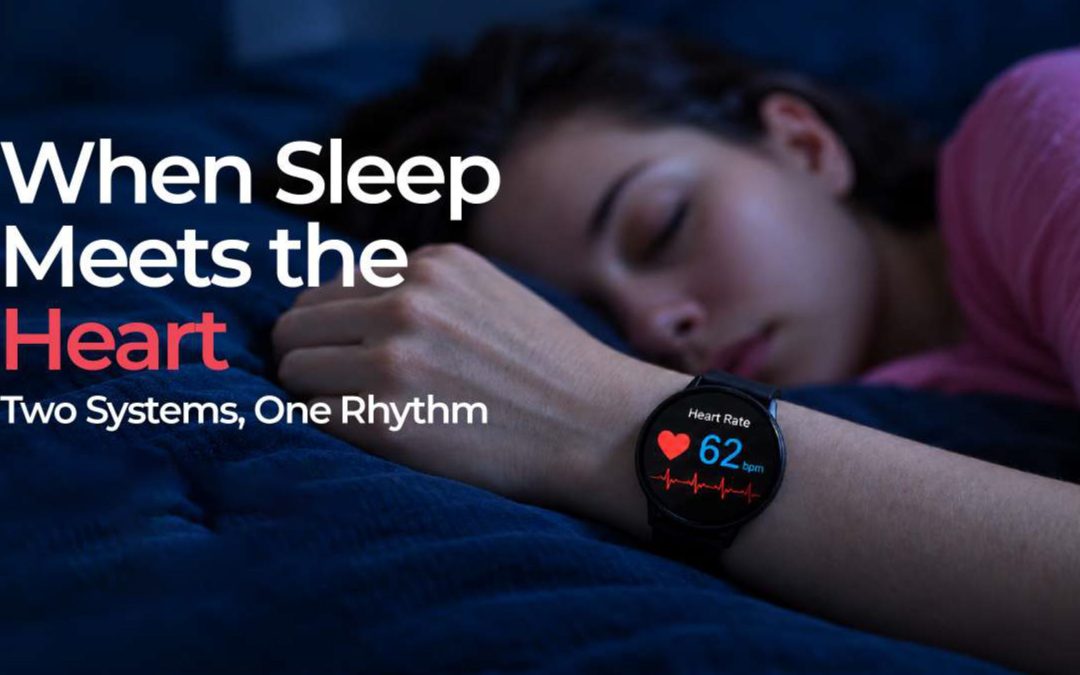
Here’s something good to know: sleep is more than just rest. It gives your heart and blood vessels valuable time to recover from the demands of the day.
While you sleep, your heart rate naturally slows down, reducing the workload on your heart. It changes throughout the night, reaching its lowest levels during deep sleep before rising again during REM sleep, when brain activity becomes more active.
Your nervous system also shifts into a calmer state, helping your body relax and balance its stress response. Blood pressure usually drops by around 10 to 20 per cent overnight, a healthy pattern known as nocturnal dipping. Your breathing becomes slower and more regular, while your body temperature falls slightly as your body moves into recovery mode.
Together, these changes give your heart, blood vessels and nervous system a much-needed break. Think of sleep as your body’s nightly maintenance period, quietly preparing you for another day.
The good news is that you don’t need to do anything complicated to support this process. Simply getting enough quality sleep and keeping a regular sleeping schedule can go a long way towards supporting your heart health.
When Poor Sleep Affects Your Heart
Poor sleep doesn’t just leave you feeling tired the next day. Over time, it can also take a toll on your heart health.
When you don’t get enough sleep, or your sleep is frequently interrupted, your nervous system may remain more active than it should. This can raise blood pressure, affect its normal nighttime drop and increase the release of stress hormones, placing extra strain on your heart and blood vessels.
Lack of sleep can also affect the hormones that control hunger, making you feel hungrier or more likely to reach for unhealthy foods. It may also make it harder for your body to regulate blood sugar. Over time, these changes can affect your weight, blood sugar levels and overall heart health.
One poor night’s sleep is unlikely to cause lasting harm. The bigger concern is a regular pattern of insufficient or disrupted sleep. The good news is that getting enough quality sleep consistently is one of the simplest ways to support your heart and overall well-being.
Know the Signs of Sleep Apnoea
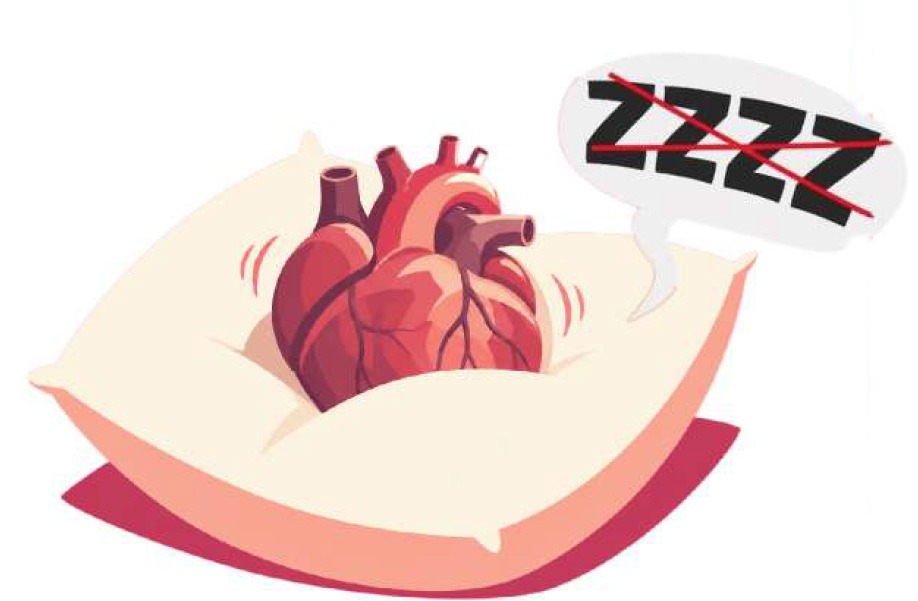
One sleep condition worth paying attention to is obstructive sleep apnoea. It happens when the airway becomes narrow or blocked repeatedly during sleep, causing breathing to stop and start. Often, a family member or sleeping partner notices the signs before the person does.
Common signs include:
- Loud or frequent snoring
- Gasping or choking during sleep
- Pauses in breathing during the night
- Morning headaches
- Excessive daytime sleepiness
- Difficulty concentrating
Each time breathing stops, oxygen levels may temporarily drop, triggering a stress response in the body. These episodes can happen many times throughout the night, even without the person fully waking up.
If left untreated, sleep apnoea is associated with a higher risk of high blood pressure, irregular heart rhythms and other cardiovascular problems.
The good news is that sleep apnoea can be diagnosed and treated. Recognising the warning signs is an important first step. With proper assessment, suitable treatment can help improve sleep quality and protect long-term health.
A Two-Way Relationship
We often think of poor sleep as something that affects heart health. But the relationship works both ways. Heart conditions can also make it harder to get a good night’s sleep.
Here are some ways this can happen:
- Irregular heartbeats: Palpitations may wake you up or make it difficult to fall asleep.
- Fluid buildup: Some heart conditions can cause fluid to accumulate, making breathing more difficult when lying flat. You may find yourself waking up frequently or needing extra pillows to sleep comfortably.
- Medications: Certain heart and blood pressure medications may affect sleep, causing vivid dreams, lighter sleep or more frequent trips to the bathroom.
- Worry and anxiety: Living with a heart condition may make you more aware of your heartbeat or breathing. Worrying about these sensations can make it harder to relax and fall asleep.
The important thing to remember is that sleep and heart health are closely connected. Looking after one can help support the other. You don’t have to wait until one problem is completely resolved before working on the other. Better sleep and better heart health can go hand in hand.
Sleep & Heart: Myths vs Facts
| MYTH | FACT |
|---|---|
| Snoring is just a noisy habit and nothing to worry about. | Occasional light snoring is usually harmless. But loud or frequent snoring, especially when accompanied by pauses in breathing or gasping, can be a sign of obstructive sleep apnoea, a condition linked to increased cardiovascular risk. |
| You can fully “catch up” on lost sleep over the weekend. | A weekend lie-in can help you feel more rested, but it doesn’t necessarily undo all the effects associated with a week of insufficient sleep. A consistent sleep schedule is more helpful than relying on occasional catch-up sleep. |
| Sleep apnoea only affects people who are overweight. | Body weight is one risk factor, but it is not the only one. Airway anatomy and other factors also play a role. Sleep apnoea can affect people of different body sizes, so symptoms are worth paying attention to regardless of weight. |
| Sleep apnoea always comes with loud, obvious snoring. | Not necessarily. Some people, particularly women, can have sleep apnoea with little or no snoring at all. Daytime fatigue, morning headaches and difficulty concentrating can also be signs of sleep apnoea. |
| A drink before bed helps you sleep better, which is good for your heart. | Alcohol may make it easier to fall asleep, but it fragments sleep later in the night. It can also worsen snoring and breathing problems in some people, working against the restorative benefits of sleep. |
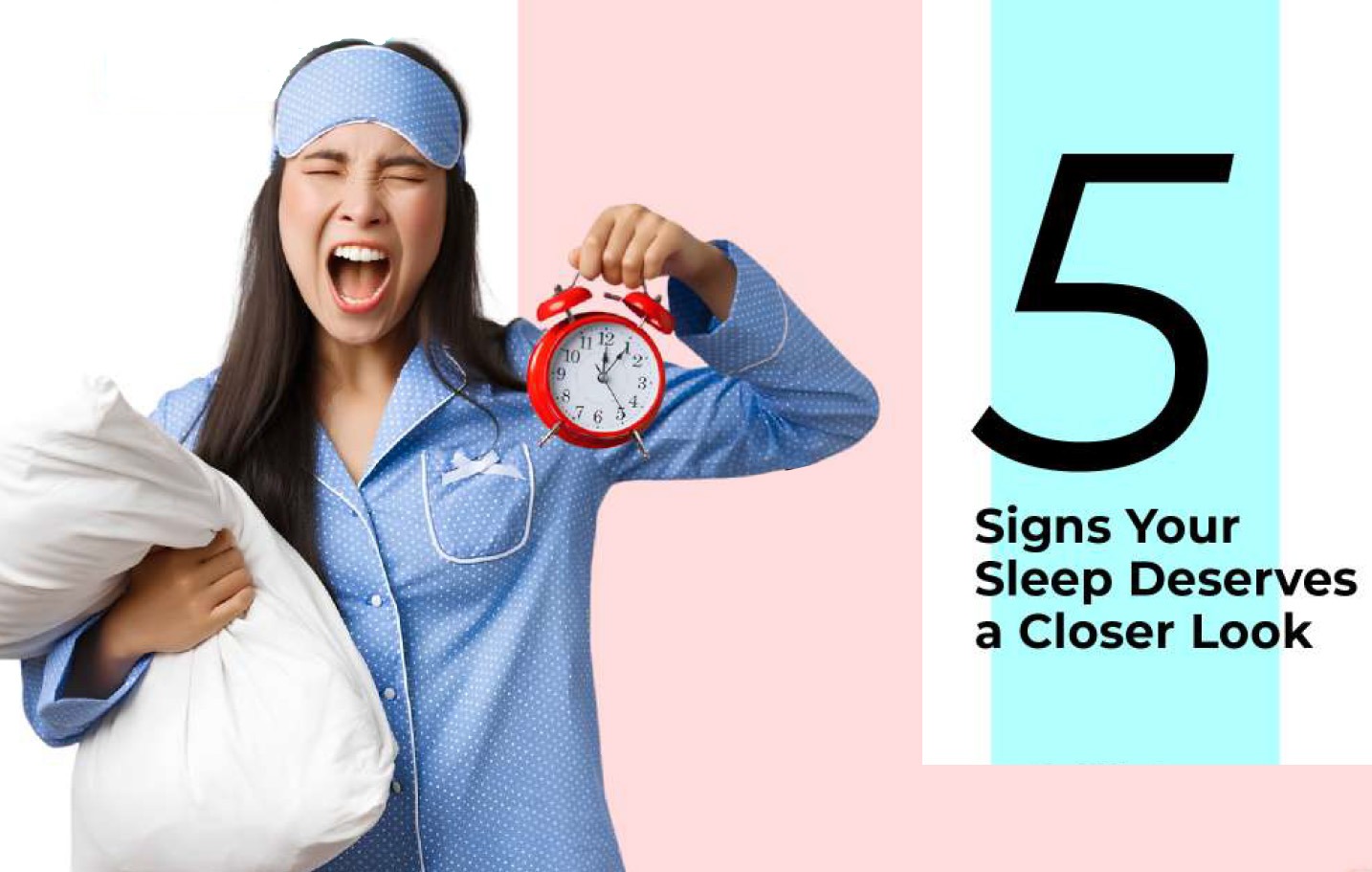
Signs Your Sleep Deserves a Closer Look
Snoring, gasping or pauses in breathing during sleep
Your partner may notice loud snoring, gasping or moments when you seem to stop breathing. These can be signs of sleep-disordered breathing, especially sleep apnoea.
Feeling sleepy during the day
You often feel tired or sleepy, even after spending a full night in bed. This may mean your sleep is not as restful as it should be.
Waking up with headaches or a dry mouth
Frequent morning headaches or a dry mouth may be linked to breathing difficulties during sleep.
Difficulty concentrating
You find it hard to focus, remember things or think clearly, even when you believe you have slept enough.
Existing heart or blood pressure problems
If you have a heart condition or high blood pressure and notice changes in your sleep, mention them to your healthcare professional.
——-
These signs do not necessarily mean something is seriously wrong. However, they are worth paying attention to. If you notice them regularly, consider discussing your sleep with your healthcare professional.
——-
The Bigger Picture
Sleep and heart health are closely connected, and both play an important role in our overall well-being.
Good sleep gives your heart and blood vessels time to rest and recover. Likewise, looking after your heart can help support better sleep.
There is no need to change everything at once. Simple, consistent habits can make a difference to both your sleep and heart health.