
Sleep isn’t downtime – It’s some of your body’s most active work
Why Good Sleep Is More Important Than You Think
While you are sleeping, your brain is still hard at work. It is organising the memories you formed during the day and storing important information for long-term use. At the same time, waste products are being cleared from brain tissue, while hormones are released to help repair muscles, maintain body functions and regulate your appetite for the following day.
This shows that sleep is not simply a time for the body to rest. It is an important process that allows your body and mind to recover, repair and prepare for another day. That is why good sleep health involves more than just getting enough hours of sleep.
Your brain, in particular, does not simply switch off when you fall asleep. Instead, it changes the way it works. During deep sleep, the brain becomes more efficient at clearing away waste products that accumulate during waking hours. Growth hormones are also released to support tissue repair and recovery. Meanwhile, your nervous system goes through different stages of activity that help regulate your mood, stress levels and other important body functions.
These processes are essential for maintaining good health, and many of them cannot take place as effectively when you are awake.
This is why a poor night’s sleep can affect more than just your energy levels the following day. It can influence your memory, mood, immune system, blood sugar regulation and overall well-being.
Just as we pay attention to our diet and physical activity, we should also make sleep an important part of our daily health routine rather than something we only think about when we feel tired.
More Than Just Counting Hours
Most of us have heard the common recommendation to get between 7 and 9 hours of sleep each night. This is a useful guideline, but the number of hours alone does not tell us whether we are getting good-quality sleep.
For example, two people may both sleep for 8 hours each night, yet experience very different levels of rest and recovery. This is because good sleep health depends on several factors:
- Sleep Quality – How much time you spend in deep, restful sleep compared to light sleep, where you can be easily disturbed by noise or other interruptions.
- Sleep Continuity – Whether you can sleep comfortably throughout the night or frequently wake up, even if you do not remember these interruptions the next morning.
- Sleep Timing and Regularity – Whether you go to bed and wake up at relatively consistent times each day, rather than having a very different sleeping schedule on weekdays and weekends.
- Daytime Alertness – Whether you wake up feeling refreshed and can stay focused and alert throughout the day. How you feel and function during the day can be a useful indication of your sleep health.
For instance, someone who sleeps for 8 hours but wakes up several times during the night may not enjoy the same benefits as someone who gets 7 hours of uninterrupted sleep regularly. Similarly, constantly changing your sleeping schedule, such as staying up very late during weekends and waking up early on weekdays, can affect your body’s natural sleep rhythm.
Ultimately, good sleep health is not just about how many hours you spend in bed. It is about getting sufficient, quality sleep consistently so that your body and mind can recover properly and function well throughout the day.
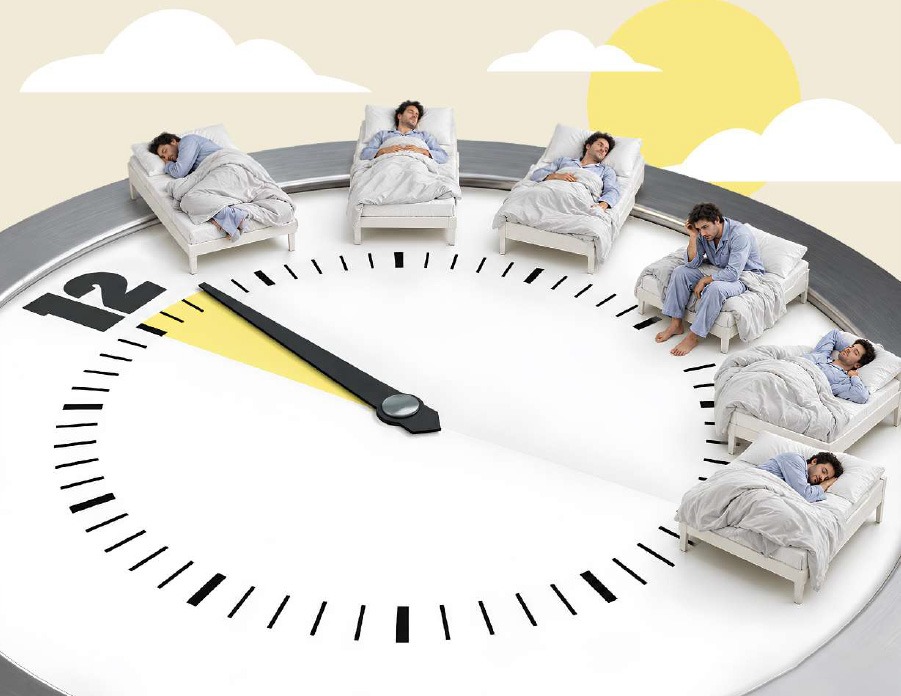
When Sleep Doesn’t Work the Way It Should
For some people, one or more of these dimensions is consistently disrupted, not just occasionally but as a regular pattern. Here are some of the most common ways this shows up:
Frequent Waking
Repeatedly surfacing during the night, which fragments sleep even when total hours seem adequate.
Snoring
Loud or persistent snoring, which can be harmless but can also signal that the airway is partially obstructed during sleep.
Insomnia
Persistent difficulty falling asleep, staying asleep, or waking too early and being unable to get back to sleep.
Sleep Apnoea
A sleep disorder where breathing repeatedly stops and starts, often causing snoring, gasping and poor sleep quality, with potential health risks.

These conditions are not simply a matter of “trying harder” to get better sleep. Each has its own underlying causes and deserves proper attention, rather than being brushed aside as ordinary tiredness. We will take a closer look at some of these conditions later in this issue.
Sleep is also closely connected to other important systems in our body. One good example is the heart, which continues working hard whether we are awake or asleep.