In 1998, headlines shouted: “Bananas Help Prevent Strokes!” The claim came from studies showing that potassium-rich foods—bananas included—can lower blood pressure and reduce stroke risk.
But potassium’s importance goes far beyond bananas or blood pressure. Research over the years has confirmed what many natural health practitioners have emphasized: potassium is essential for nearly every cell in the body, yet most people don’t get enough of it.
Today, an imbalanced potassium-to-sodium ratio is quietly fueling many modern health problems, including fatigue, fluid retention, heart disease, inflammation, and even chronic respiratory symptoms in children.
The Mineral That Powers Your Cells
Potassium is essential for almost every function in the body. It helps:
- Regulate blood pressure and heartbeat
- Activate enzymes and support detoxification
- Maintain fluid balance and healthy kidney function
- Transmit nerve signals and trigger muscle movement
- Support ATP production for cellular energy
Despite its importance, most people still fall short of the daily potassium their bodies need—often without realizing it.
Dr. Costa Deir says :
Potassium is to your cells what calcium is to your bones—- essential for structure, function and vitality.

POTASSIUM
VS.
SODIUM
A Hidden Tug-of-War
Inside the body, potassium and sodium work in opposite but balanced ways. Potassium is meant to stay inside your cells, while sodium belongs mainly outside—circulating in blood and lymph.
Modern diets, however, are overloaded with sodium, disrupting this natural balance. Too much sodium starts moving into the cells, pushing potassium out and setting off a chain reaction. To protect themselves, the cells pull in extra water to dilute the sodium—but this comes with consequences:
Elevated blood pressure & cellular dysfunction
Bloating & fluid retention
Impaired enzyme function
Sluggish metabolism & detoxification
Swelling & puffiness (edema)
Potassium and Fluid Retention: It’s Not Always Fat
If you’ve ever gained half a kilo after a salty meal, it’s usually not fat—it’s water retention.
Here’s what happens inside your cells:
Too much sodium moves into the cells and forces potassium out
Water follows the sodium to dilute it
The cells swell, causing bloating and puffiness
The scale goes up, but it’s not real weight gain
This fluid buildup signals a deeper imbalance and inflammation.
Once potassium levels are restored, the body naturally releases excess sodium and water. As a result, bloating decreases, puffiness fades, and many people feel lighter and more energized.
Slimness isn’t only about losing fat—it’s also about releasing the trapped fluid and inflammation stored in your tissues.
Practical Potassium
1. Get Potassium From Whole Foods
Load up on fruits, vegetables, and legumes like bananas, avocados, leafy greens, sweet potatoes, tomatoes, beans, and coconut water.
Steam or roast to keep potassium in; if boiling, use the cooking water.
2. Support With Raw Apple Cider Vinegar (ACV)
Raw, unfiltered ACV provides potassium and enzymes that aid digestion, detox, and mineral balance.
Mix 1 tsp ACV with honey in water and drink before meals.
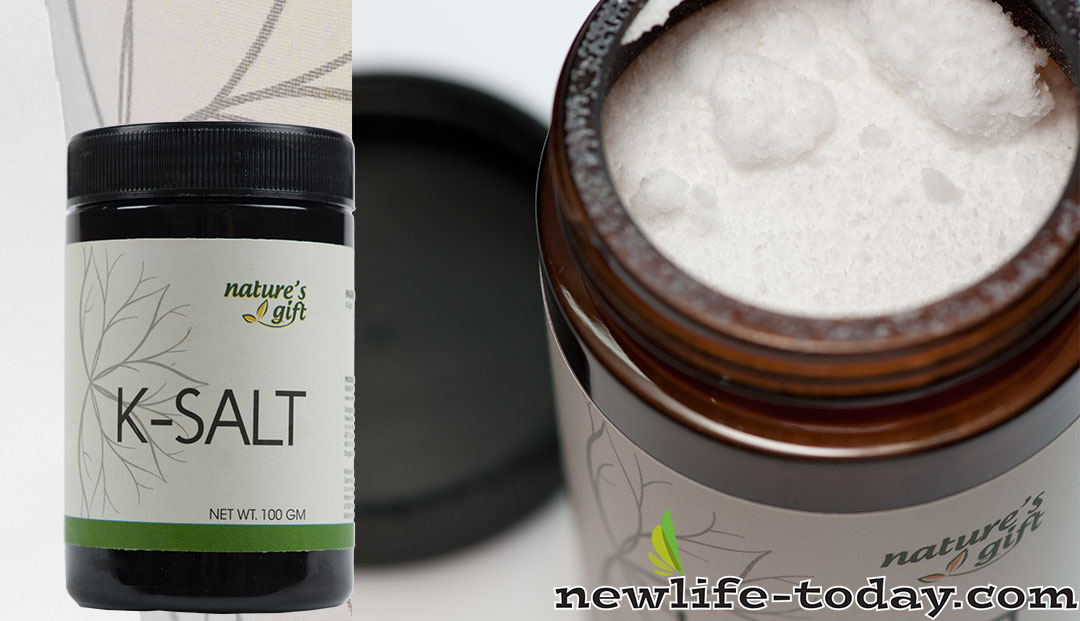
3. For Deeper Support: NewLife™ K-Salt
This therapeutic potassium blend helps replenish cellular potassium, push out excess sodium, support enzymes, and improve metabolic balance.
Take ½ tsp in water once or twice daily—consult a healthcare provider if you have kidney issues or take medication.
Final Takeaway: Balance Restored, Health Reclaimed
Potassium isn’t just another mineral—it’s a key regulator of energy, circulation, and cellular function. When you bring potassium and sodium back into balance—ideally with about three times more potassium than sodium—the body naturally sheds excess fluid, strengthens immunity, improves blood pressure, supports detoxification, and restores overall vitality.
Maintain this balance, and your body will do the rest.