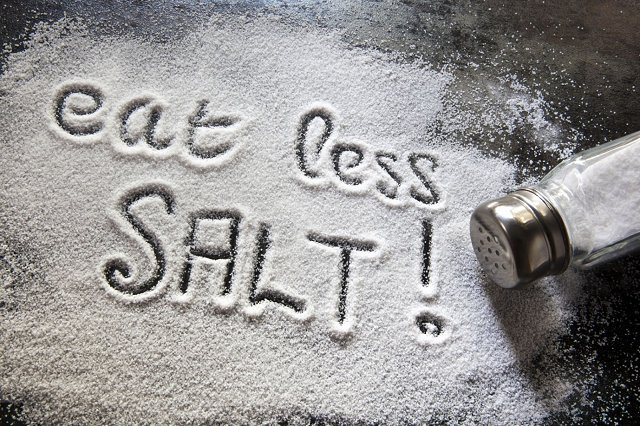
Salt may be small, but it has a big impact—not only on taste, but also on our health. While the body needs a small amount of sodium to function properly, today’s diets often turn a simple pinch into far too much. Decades of research point to the same conclusion: excessive salt intake raises blood pressure, puts strain on important organs, and contributes to chronic health conditions.
A Global View on Salt and Health
A University of Tennessee study, once widely televised, compared salt intake and blood pressure across cultures.
In northern Japan, extremely high salt consumption was linked to widespread hypertension, even in young adults. Meanwhile, in rural Ethiopia, where diets contained almost no added salt or processed foods, high blood pressure was rare at any age.
When young Ethiopian men joined the military and switched to a salted diet, their blood pressure rose—then returned to normal once they went back to their traditional salt-free meals.
How Excess Salt Affects the Body
Most people know that salt raises blood pressure—but understanding why matters. Normally, sodium stays outside our cells and potassium stays inside, creating a balance that supports hydration, nerve signals, and muscle movement.
When we consume too much sodium, it accumulates in the bloodstream. Because sodium draws in water, the body holds onto extra fluid, increasing blood volume. This raises blood pressure, makes the heart work harder, and puts strain on blood vessels.
Excess sodium also lowers potassium levels—an essential mineral for heart rhythm, nerves, and muscles. Since sodium and potassium balance each other, too much sodium pushes potassium out, making the impact more harmful.
Adding to this, sodium can interfere with enzymes and disrupt vital cellular functions. Dr. Max Gerson, a pioneer in nutritional therapy, believed chronic sodium overload contributed to degenerative diseases. His approach was simple: reduce sodium, increase potassium through a plant-rich diet, and support the body’s natural healing balance.
mg/day. Minimum salt needed for healthy body function
mg/day. Recommended Limit why W.H.O.
mg/day. Average intake in Malaysia & Singapore
Too Much of a Salty Thing
The body needs only about 500–1,000 mg of sodium a day to function. Health authorities, including the World Health Organization, advise staying under 2,000 mg daily (about 1 teaspoon of salt), with 1,500 mg or less as the ideal goal for most adults.
However, in countries like Malaysia and Singapore, the average intake is around 3,600 mg per day—over twice the recommended limit and more than triple what the body actually needs. This excess comes with serious long-term health risks.
The problem is widespread, but progress is possible. Finland’s national salt-reduction efforts led to a 60% drop in heart attacks and strokes over 20 years. Similar patterns were seen elsewhere:
Japan recorded lower hypertension rates after reducing salt in traditional diets.
Traditional Inuit communities, before modern foods, ate little or no added salt and had very low blood pressure despite high-meat diets.
Salt Withdrawal: What Happens to Your Taste
When people switch to a low-sodium diet, food can initially seem bland—but there’s a biological reason for it. A high-salt diet raises the sodium level in saliva, which dulls taste buds and makes food seem less flavourful, encouraging even more salt use.
The good news: the body adjusts quickly. Within 5–10 days on a low-sodium, high-potassium diet, excess sodium is flushed out. As mineral balance improves, taste buds regain sensitivity and everyday foods start to taste rich and flavourful again—often to the point where salty foods become unpleasant.
During this transition, flavour doesn’t need to disappear. Herbs, spices, citrus, garlic, and other natural seasonings can make meals delicious without adding sodium. Salt-free doesn’t mean tasteless.
The Bigger Picture: Sodium, Potassium and You
Research consistently shows that good health depends on a proper balance of sodium and potassium. Too much sodium raises blood pressure and harms blood vessels, while potassium helps counter these effects by relaxing blood vessels, supporting the heart, and keeping cells functioning properly.
But even if you don’t add salt to your food, you may still be consuming more sodium than you think. Common condiments—such as soy sauce, tomato sauce, and oyster sauce—are often loaded with sodium from both salt and MSG. In fact, just one teaspoon of some brands can contain over half of your recommended daily limit.
5 Ways to Reduce Sodium Without Losing Flavor
- Cook more meals at home
- Season with herbs, spices, vinegar, or lemon juice
- Rinse canned beans and vegetables
- Use sauces and dressings sparingly
- Taste before adding salt—you might not need any
On sodium, Dr. Max Gerson says :
Excess sodium not only causes fluid retention, but also disturbs metabolism at the deepest levels.
Healing begins when sodium is removed and potassium is restored.