Constipation is a common yet often overlooked digestive problem. Research shows that up to 24% of U.S. adults live with chronic constipation, and more than 60% never seek treatment. Southeast Asia reflects a similar trend.
In Singapore, studies report that 7.3% to 25.1% of adults experience chronic constipation, with higher rates among women in their 20s and men over 70. In Malaysia, about 14% to 33% of older adults are affected, and even 16.2% of university students—showing that constipation impacts every age group.
Though frequently dismissed as a minor nuisance, constipation can point to deeper gut imbalances and may be linked to long-term concerns such as IBS, inflammation, and lowered immunity.
The good news: constipation is highly preventable and treatable with natural, sustainable lifestyle changes. Whether you or your child is dealing with irregularity, bloating, or that uncomfortable “stuck” feeling, this guide will help you restore healthy balance naturally.
What Is Constipation?
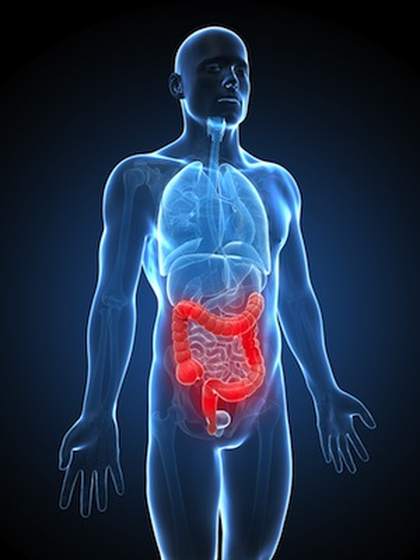
Constipation isn’t just hard stools or skipping a day. Medically, it means infrequent, difficult, or incomplete bowel movements—often accompanied by bloating, fatigue, irritability, or mild nausea. Over time, it can contribute to issues like IBS, skin problems, low energy, and poor nutrient absorption.
Digestive experts note that healthy bowel habits are 2–3 movements per day, ideally 10–14 hours after each meal. If you’re going only once a day or less, your colon may be holding the waste of 5–6 meals or more.
The Hidden Toll of Constipation
When waste lingers too long, it affects the body in multiple ways:
The colon absorbs too much water, making stools dry and painful
Toxins re-enter the bloodstream, burdening the liver and affecting skin, mood, and energy
The gut microbiome becomes imbalanced, weakening immunity and increasing inflammation
Residue builds up on the colon walls, making elimination harder
Straining can lead to haemorrhoids and fissures
The gut lining weakens, contributing to “leaky gut”
The gut-brain axis is disrupted, causing irritability or brain fog
Nutrient absorption declines
A Malaysian study even found that some people retain the waste of up to nine meals when they move their bowels only every few days—explaining that bloated, sluggish, unwell feeling many experience.
Why Am I Constipated?
Most modern habits slow down your bowels. Common causes include:
Low-fibre, highly processed diets
Not drinking enough water (especially with sugary or caffeinated drinks)
Sitting too much and lack of exercise
Antibiotics that disrupt good gut bacteria
Stress, which slows digestion
Ignoring the urge to go or poor toilet posture
Kids get constipated too—usually from low fibre, not enough water, and avoiding uncomfortable school toilets.
Natural Strategies to Prevent Constipation
1. Eat More Fibre (the Right Kinds)
Fibre acts like a natural broom. Aim for 25–30 g daily from:
Prebiotic fibre (bananas, onions, garlic) – feeds good bacteria
Tip: Increase fibre slowly and drink more water.
2. Rebuild Friendly Bacteria
Probiotics like ImmuFlora® or homemade yoghurt help restore gut balance, especially after antibiotics. They reduce inflammation and improve bowel motility.
3. Move Your Body Daily
Movement wakes up the bowels. Try:
30–40 minutes of walking, biking, or swimming
10 minutes of rebounding (similar benefits to a 2-mile jog)
A short walk after meals
4. Use Gentle Herbal Support
Herbal blends (e.g., Herbal Matrix Powder / Herbal Klenz) with psyllium, apple pectin, slippery elm, fennel, and inulin can:
Promote regularity
Clear old waste
Reduce bloating
Support detox
Nourish gut microbes
5. Hydrate Smartly
Drink 8–10 glasses (2–2.5 L) of water daily.
Avoid too much coffee or sugary drinks—they dehydrate.
Distilled water is ideal. Alkaline water may weaken stomach acid and cause bloating.
Fresh veggie juices, spirulina drinks, or honegar (honey + apple cider vinegar) also support hydration.
6. Manage Stress
Stress slows digestion. Try:
Deep breathing
Stretching
Journaling or prayer
A quiet, screen-free wind-down before bed
Constipation isn’t just discomfort—it’s a signal your gut needs support. A few simple shifts can reset your system and bring back regular, healthy bowel movements. Nourish your gut, keep your body moving, stay hydrated, and let your natural rhythm return.
The 4-Step Constipation Recovery Plan
1. Remove Waste Buildup
Use gentle herbal support to clear the colon and improve regularity. Recommended: Herbal Matrix Powder / Herbal Klenz
2. Hydrate Deeply
Proper hydration softens stool and keeps digestion moving. Best choices: distilled water, fresh vegetable juices, Honegar, spirulina drinks.
3. Rebuild Good Bacteria
Restore a healthy microbiome for better motility and less inflammation. Recommended: ImmuFlora® or homemade yoghurt.
4. Reform Diet & Movement
Adopt daily habits that keep your bowels naturally active. Focus on: fibre-rich foods, consistent exercise, and reducing refined foods.
Special Notes for Parents: Preventing Constipation in Children
Offer plenty of fruits, vegetables, and fibre-rich foods.
Prefer breastfeeding over cow’s milk in early years.
Limit processed foods and screen time.
Encourage squatting rather than sitting for bowel movements.
Use a gentle water enema only if needed, alongside lasting dietary and lifestyle changes.
Our dream is for all people in this generation and the next to be equipped with the knowledge of total health, so that they can be free from diseases. Read more...
At some period in our lives, most of us have wished for better health for ourselves and for those we know and love. Some way to regain the vitality we have lost.
We want a safe and effective method to combat illness. A way to repair our bodies instead of just treating the symptoms with drugs.
We are sick and tired of being sick and tired.
Wishing to start all over again. Go back to the way we once were physically, at an age before "modern living" lifestyles and bad habits took their toll. Can it happen?
Maybe having someone to show us the how to honestly fight and win the battle against diseases like cancer and heart attack. To defuse the ticking time bombs of high blood pressure, failing kidneys and tired livers. Is there a fighting chance?
At NewLife, we have seen these wishes come trueover and over again, it would be irresponsible and unkind not to help, not to share what we know.
Backed by real life testimonies from people who have benefited, we hope you will find, together with us, the way to make your health wishes come true.
Wishing you the pink of health, contact us for free health consultation.