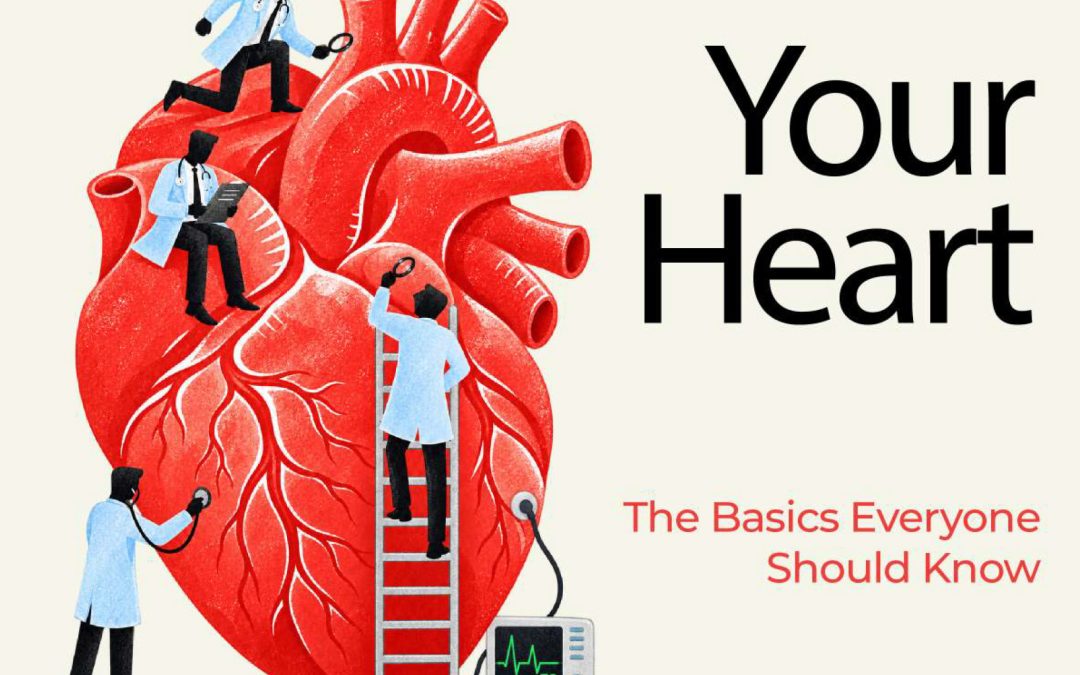
Your heart beats about 100,000 times a day, and it does all this work without you even being aware of it. It is a muscle roughly the size of your fist, but its responsibility is enormous. Its main job is to keep pumping blood throughout your body, from your brain right down to your fingertips, every minute of your life.
The heart has four chambers. Two chambers receive blood returning from the body and lungs, while the other two pump blood out again. This continuous process of receiving and pumping keeps the blood moving. The rhythm of these contractions is what you feel as your heartbeat or pulse.
Blood vessels act like a network of tiny and large pathways, carrying blood to every part of your body. Arteries transport oxygen-rich blood away from the heart, while veins bring blood back to it. In fact, if all the blood vessels in an adult’s body were laid out in a straight line, they would stretch for tens of thousands of miles.
Circulation is the process that keeps everything moving in a continuous loop. Blood leaves the heart through the arteries, travels into increasingly smaller blood vessels, and eventually returns through the veins. It then passes through the lungs to collect fresh oxygen before returning to the heart to be pumped around the body again. This entire cycle happens roughly once every minute.
But the real purpose of this system is to deliver oxygen to every cell in your body. Every cell depends on a steady supply of oxygen to function properly, and blood is responsible for transporting it where it is needed. When circulation is affected, such as when arteries become narrowed, the tissues and organs further along may not receive enough oxygen. This explains why cardiovascular problems can affect not only the heart, but also other parts of the body, including the brain, kidneys and limbs.
The Numbers Worth Knowing
A handful of measurements give a useful window into how well this system is working:
Blood pressure : The force of blood pushing against artery walls as your heart pumps. Too high, and it puts sustained strain on your heart and blood vessels.
Blood glucose : The sugar circulating in your blood for energy. Consistently elevated levels, over time, can damage blood vessels and nerves.
Cholesterol : A fatty substance carried in your blood, essential in the right amounts, but capable of building up inside artery walls, narrowing the space blood needs to flow through.
Weight and waist circumference : Not just about appearance; waist circumference in particular is closely linked to the kind of internal fat that affects blood pressure, cholesterol and blood glucose.
Each number on its own may not tell us much. But when looked at together, they give us a better picture of our heart health than simply judging by how we feel each day.
Risk Factors You May Not Notice
One of the tricky things about heart health is that many risk factors do not cause any obvious symptoms, especially in the early stages. You may feel perfectly healthy, even when some of these problems are already developing in your body.
-
High blood pressure – Often called a silent condition because most people do not feel any different, even when their blood pressure is too high. By the time symptoms appear, damage may have already occurred.
-
High cholesterol – Usually has no signs or symptoms. The only way to know your cholesterol levels is through a blood test.
-
Diabetes and prediabetes – These conditions can develop slowly over time. Early signs may be mild, making them easy to overlook or mistake for normal tiredness.
-
Smoking – Every cigarette exposes your blood vessels to harmful substances. The damage can build up over time, even before you notice anything wrong.
-
Lack of physical activity – Spending too much time sitting or being inactive may not cause any immediate discomfort. However, over time, it can increase the risk of heart disease and make other risk factors worse.
A Nutrient Worth Knowing: CoQ10
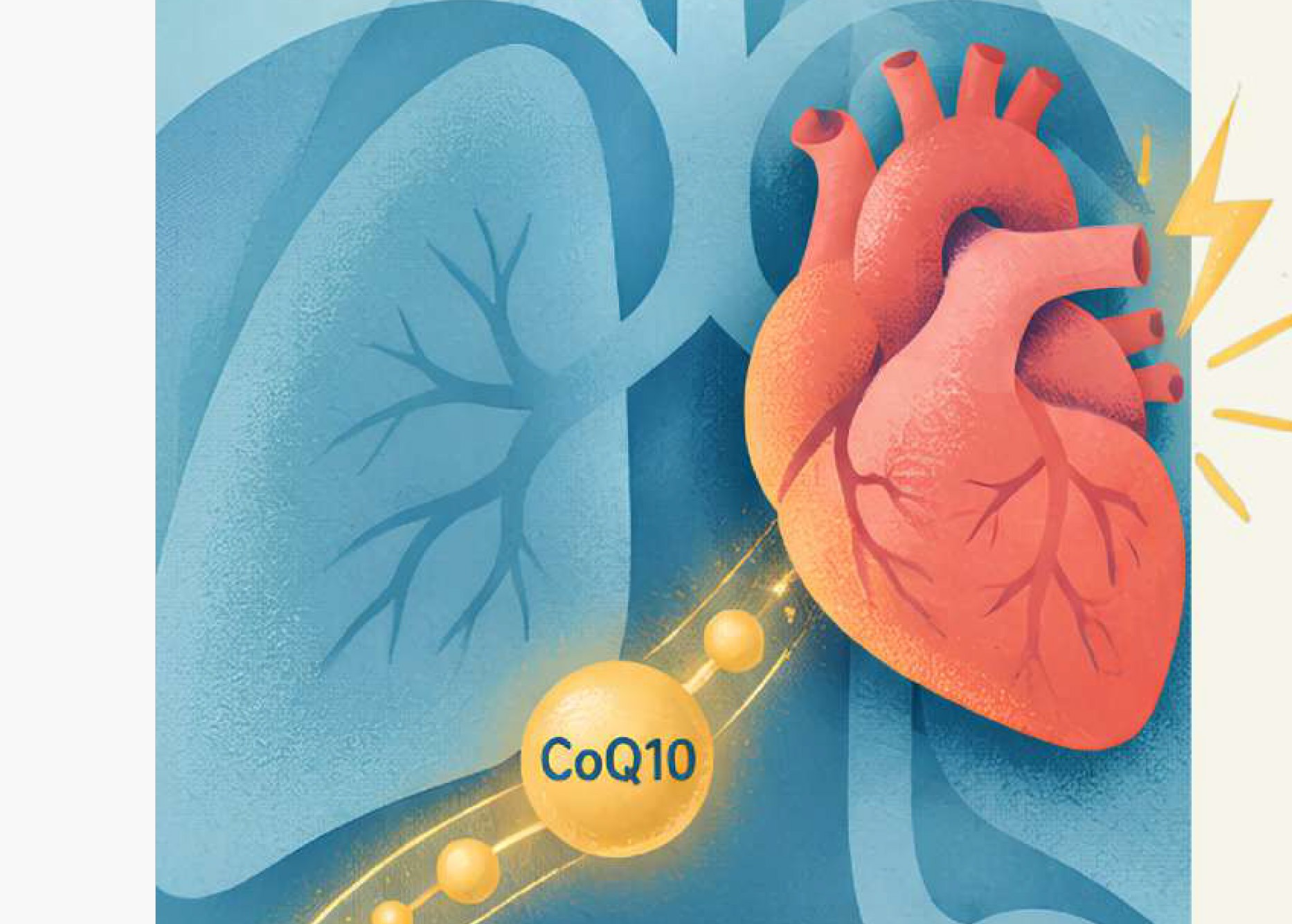
Your heart works very hard every day. It beats non-stop, even when you are resting or sleeping. To keep going, the heart needs a lot of energy. One important nutrient that helps with this is Coenzyme Q10, better known as CoQ10. It helps heart muscle cells produce the energy they need to keep your heart beating.
Your body can naturally produce CoQ10, mainly in the liver. However, production tends to be highest in our 20s and gradually decreases as we get older. Studies have found that CoQ10 levels in heart tissue may be about 40–50% lower by the time we reach our mid-60s. Levels may continue to decline with age. This is one reason why CoQ10 becomes a nutrient worth paying attention to, especially as we enter our 50s.
There is another point worth knowing if you are taking statins to manage your cholesterol. Statins work by blocking a process in the body that produces cholesterol. However, the same process is also involved in producing CoQ10. As a result, taking statins may also reduce the amount of CoQ10 your body produces.
This does not mean you should stop taking your prescribed cholesterol medication. However, if you are on statins, it may be worth discussing CoQ10 supplementation with your doctor. Understanding how CoQ10 works can help you make better decisions about your daily health and nutritional needs.